
Our Team
We bring different perspectives to the table and we work in a shared leadership model. We’re united by a love for purposeful work, meaningful change and real connection.
Our Staff

Courtney Alampi - Fundraising & Dev Manager Kristian Bentsen - Sous Chef Karina Bergen - Communications Steward Michelle Brock— Host & Co-Caretaker Cathy Buller — Donations Caretaker Madisun Elizabeth Clark — Managing Director Max Cole-Takanikos - Kitchen Support Daniel Dillingham - Sous Chef Snow Dragonwyck — Accountant/Bookeeper dee elle - Housekeeping & Place Team Andrew Fling — Registrar, Logistics Miles Harrison — Head Chef & Co-Caretaker Lety Hopper — Program Director
Timothy Hull — Land Steward
Nick Jackman - Housekeeping Lead Jackson Martin - Kitchen Support Sean Murphy - Kitchen Support Larry Rohan - Forest Steward Joe Sendek - Facilities Steward Taylor Sendek - Administrative Assistant Hannah Staber - Housekeeping James Zanrè - Kitchen Support
Rose Woods — Executive Director
Individual Staff photos & bios in process - see below
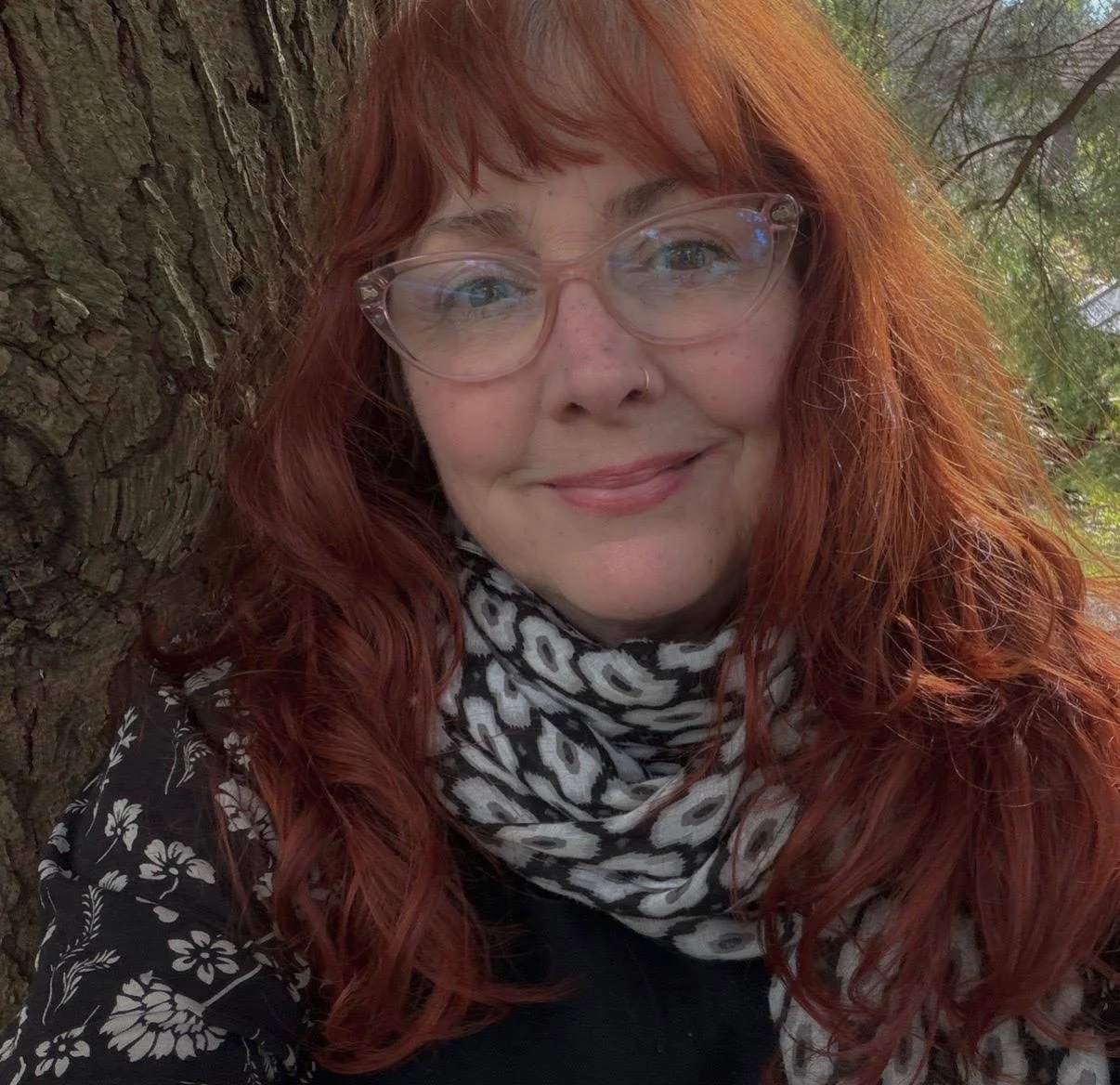
Rose Woods
Executive Director-
Rose Woods (she/they) is the Executive Director of the Whidbey Institute, a writer, theatre director, educator, and community builder.
Rose is the founder and former Artistic Director of Island Shakespeare Festival and former Artistic Director of Whidbey Children's Theatre. She also served as Performing Arts Chair at San Domenico School and has led three theatre companies in the San Francisco Bay Area while directing, teaching, and creating work with both professional and youth theatre companies across the country.
A professional screenwriter and playwright, Rose has received numerous honors for her work as a writer, director, and educator, including a commendation from Barbara Boxer for teaching tolerance through youth theatre, the Elizabeth George Foundation Grant, the Humanitarian Teacher Award from the Humane Society, and multiple national and international awards for her writing.
Rose believes art is necessary. She is passionate about creating spaces where people gather in curiosity, imagination, and belonging, and where creativity, community, and the natural world invite us to remember who we are.
Madisun Elizabeth Clark
Managing Director-
Coming Soon
Our Staff - in process
Courtney Alampi
Fundraising & Development Manager-
Courtney graduated with a B.S. in Animal Science from Penn State University, and after graduation she pursued her equestrian dreams. An experienced entrepreneur with widely varied business experience, ranging from managing an Olympic-level equestrian training center, to starting and managing a fast-growth coffee shop, “Cuppa Giddyup” in Middleburg VA. After many years of pursuing the riding dream it was time for a change, and Courtney worked as a Trip Leader for Backroads, an active travel company. A lot of travel and adventures took place during those years, and this is when Yoga came into her life. She became an avid practitioner, which led her to sign up for teacher training through 8 Limbs Yoga in Seattle where she became a registered yoga teacher. Courtney was the Community Resource Director for the Whidbey Island Waldorf School, where her children attended. At the time she also sat on the Board for the Organic Farm School. Mom to Maggie (12) and Sam (9), they enjoy backpacking, baking, paddle boarding on the lake and hanging out together, life is busy and fabulous!
Kristian Bentson
Sous Chef-
Coming Soon
Communications StewardKarina Bergen
-
Karina (she/they) was born in Ottawa, Canada. She is a writer, community builder and believer in the healing power of dance, movement and expressive arts. For 20 years she worked in Hong Kong as an award winning journalist and television documentary maker. Following a year of Somatic Movement and Expressive Art study at Tamalpa Institute in California she returned to Hong Kong as a Somatic Movement Educator for youth and adults.
Karina moved to Whidbey in 2014 with her family where she worked at the Whidbey Island Waldorf School for 10 years. She spent two summers with the Power of Hope youth camps here at Whidbey Institute, facilitating diverse circles for teens to share, be witnessed and held. Karina is a 2023 graduate of Leadership Whidbey and a former Whidbey Institute Board member. She feels very grateful to be on the island and believes whole heartedly in the mission of the Whidbey Institute.
Host & Co-CaretakerMichelle Brock
-
Michelle is honored for the opportunity to be the Host and Co-Caretaker of the Whidbey Institute. Bringing hospitality from her hometown in Las Vegas, Michelle thrives on making guests feel welcome, safe, and cared for. Falling in love with hospitality at the front desk, Michelle won the MGM's Star of the Show award while working at the Mirage Hotel and Casino, acknowledging her professionalism and exceptional service provided to a mystery reviewer. Taking her experience on the road, Michelle co-founded Traveling Abreast Abroad, LLC, helping relocate expats and digital nomads across 9 countries globally.
After a couple years abroad, Michelle found herself searching for a homebase to return to and felt a special calling to the Pacific Northwest. After volunteering at the Whidbey Institute, she knew she found her next special adventure. Hosting and Co-Caretaking at The Whidbey Institute has given Michelle a unique avenue to connect her presence as a hospitalitarian to the precious lands and people who gather here. Whether it is working alongside the talented Head Chef/Co-Caretaker Miles Harrison to support our retreat programs, or our small but mighty community and fundraising team for events and dinners, you can be sure she will be there to offer you assistance with a smile.
Max Cole-Takanikos
Kitchen Support Donations CaretakerCathy Buller
-
Cathy works on fundraising and major events at the Whidbey Institute, on staff since 2020. She also helps shepherd the Powers of Leadership (POL) program as part of a non-staff team partnering with the Whidbey Institute. From 2000 - 2020 Cathy was a regular Whidbey Institute program participant and volunteer. Her past work in eco-outreach and regulatory compliance connected businesses, communities and public agencies to practical changes that make a difference. Cathy’s husband, daughter, and de-facto son-in-law help ground and inspire her. She's a board member at Sound Circle Center, a Waldorf adult education institute. Enjoying live music, and (not while!) rowing on Seattle's Duwamish River, keeps her happy. Engaging in ways to be a better human keeps her humble and open-hearted.
-
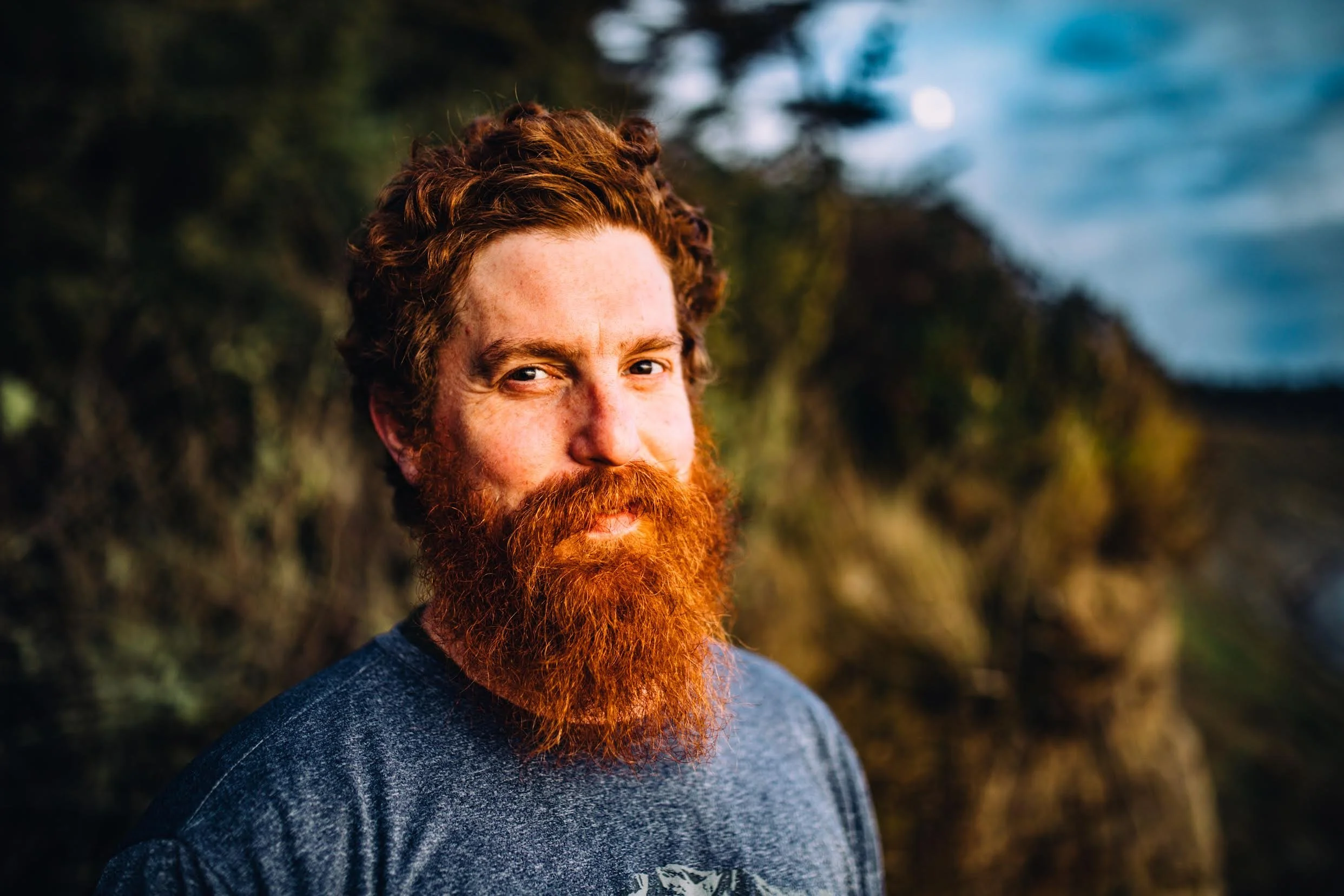
Max Cole-Takanikos grew up on Whidbey Island. When he's not supporting the kitchen staff, he occupies his time with the creation of art, the writing of stories, and the exploration of worlds both seen and unseen.
Daniel Dillingham
Sous Chef-
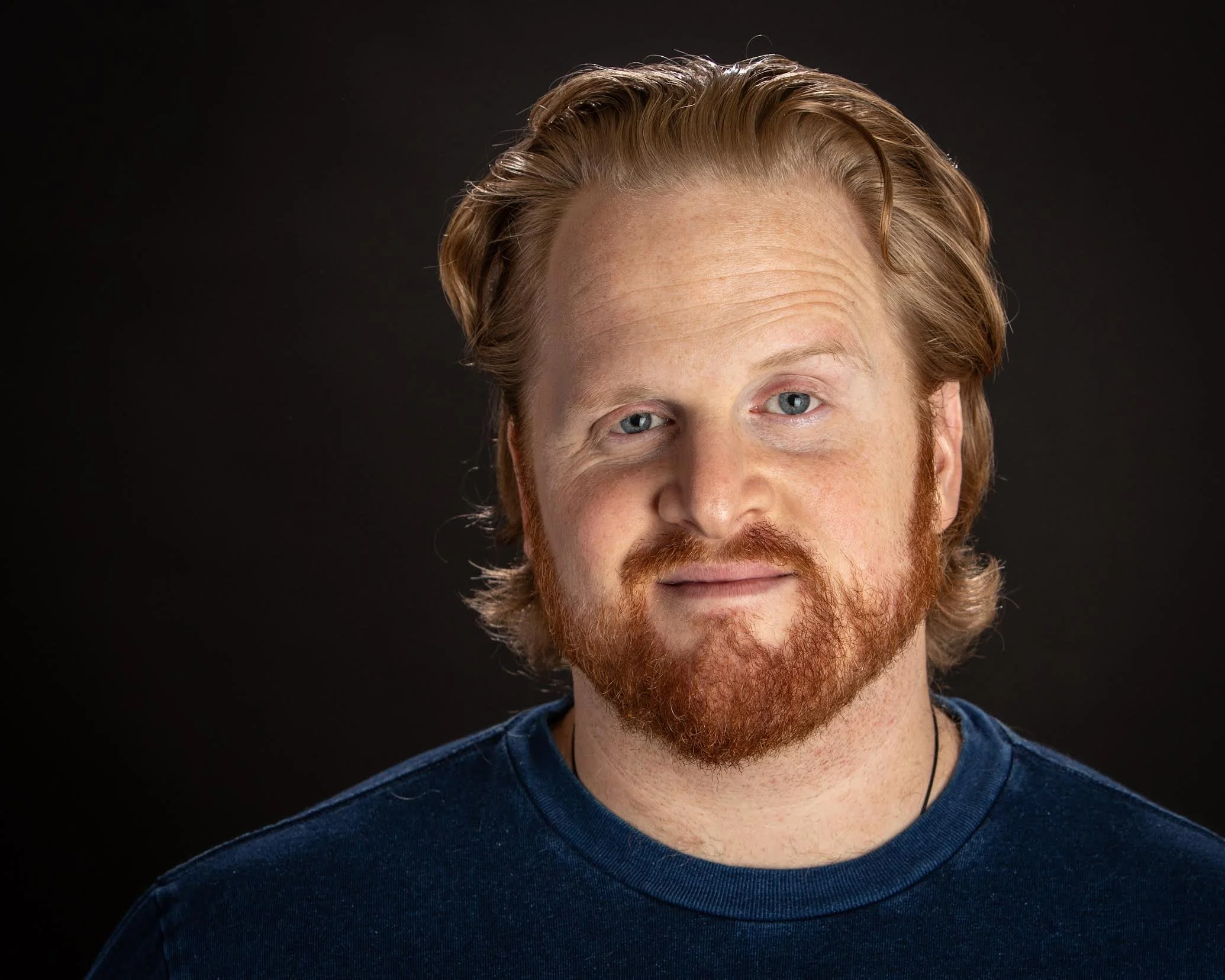
I believe food can be a form of connection-to the land,to one another, to the great spirit and to ourselves.
My work at The Whidbey Institute brings together many of the things i hold most deeply; a love of nature and of organic friendship, the creativity of cooking, and the belief that nourishing food made with intention can help create a sense of belonging and harmony. I find inspiration in the seasons, in local ingredients, and in the simple wisdom of letting good food speak for itself.
Outside the kitchen and the classroom, youll often find me following a remote trail, camera in hand, looking for the quiet beauty that exists in our sacred wild places. Trail running teaches me presence, perseverance, and the joy of moving through the landscape rather than simply passing through it. Photography gives me another way to pause and notice-to capture the fleeting light, textures, and hidden joys that might otherwise go unseen.
At the heart of everything that i do is my daughter Aurelia and my family. They remind me the greatest things we create are not always put on a plate, but the memories, connections, and light we share with one another.
For me, cooking is both craft and wild expression-a way of bringing creative wisdom, nourishment, and beauty to the table. Im grateful to be a part of a whole where food, nature, and community can come together with harmonious intention.
Snow Dragonwyck
Accountant/Bookeeper -
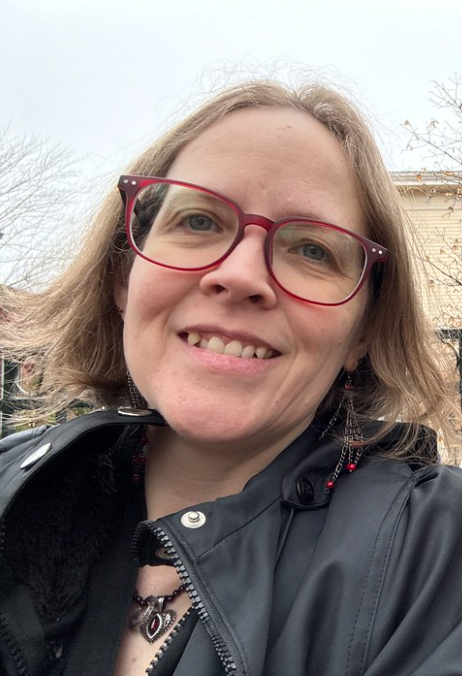
Snow Dragonwyck is the bookkeeper here at The Whidbey Institute, and is responsible for all of the internal financial tracking and reporting. She’s been an accounting professional for 10+ years, with a focus on small businesses and nonprofits. She has prior experience in a variety of fields — construction, art gallery, community center, and more — all of which have helped her build a professional knowledge base, as well as provided a great synergy, for her current role.
dee elle
Place Team/Garden Steward-
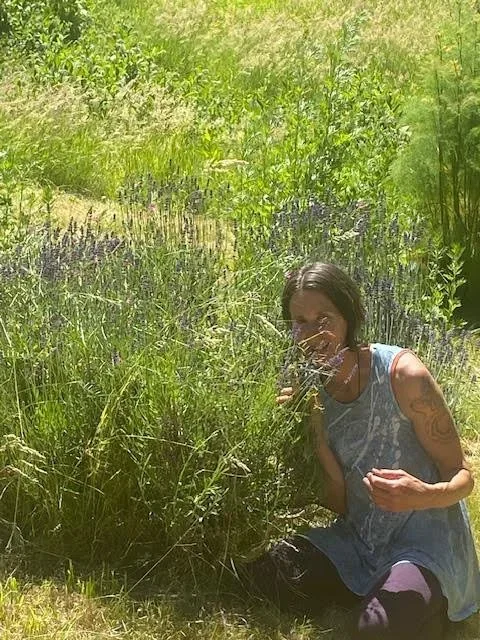
i am thrilled to spend my days on the land at the Whidbey Institute.
it has already taught me so much about myself.
when people ask, 'what is your vision for the westgarden?'
i say- i am here to listen to what it wants to be with the help of my hands.
many do not comprehend what it means to be 'a listener.' i tune my listening channel to tree or flower or soil or compost, and sit with the listening until i hear the answer. this does not always come quickly, but it does come. each day when i arrive and greet the land, it guides me to where it would like my presence. and each day, it offers me a gift of discovery in return.
what a joy to offer my service in this way. and what a joy to land in a work environment and organization that celebrates who i am and what i contribute.
Andrew Fling
Registrar/Logistics-
Coming Soon
Head Chef & Co-CaretakerMiles Harrison
-
Miles Harrison is certainly delighted to be Head Chef & Co-Caretaker of The Whidbey Institute. Miles is no stranger to feeding the residents of South Whidbey and all our many visitors, having been a cook here since 2004. Miles' culinary career began at age 13 in MN, washing dishes. Over the almost three decades that have elapsed since Miles has found themselves cooking brunch in Mom&Pop shops in Portland, OR, Bartending in Boston for the former Barbara Lynch Gruppo, and tending to pigs in Thailand. If diversity is the spice of life then Miles endeavors to consider themselves well seasoned indeed.
As Resident Co-Caretaker Miles started their journey at WI working on the place team, tending to the heartland and surrounding forest. This return to the earth set the stage for a more permanent move into the Caretaker cottage, sharing responsibilities with the ever-consummate Michelle Brock. The Caretaking Chef position has allowed Miles to expand their ongoing connection to service and hospitality, while staying connected to this beautiful land. Miles is a steward and proud to be so.
Program DirectorLety Hopper
-
Lety’s professional interests span science and marine biology, climate action, and social service work. She is particularly passionate about food security. She gained in-depth experience in affordable housing through her work with a community land trust in the San Juan Islands. She also brings extensive international living and travel experience, including work as a translator for Indigenous communities in Central and South America during a climate impact project. Lety enjoys connecting with people and helping facilitate their work in ways that create meaningful, positive impact.
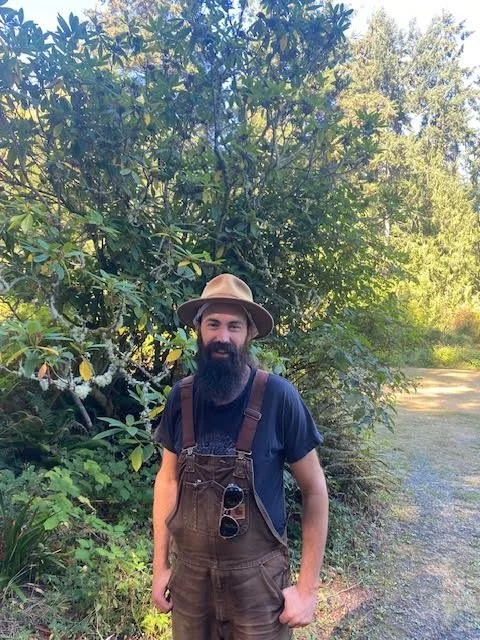
Nick Jackman
Housekeeping LeadLand StewardTimothy Hull
-
Timothy has had a long relationship with the Institute. For many years he worked on the land now called “Legacy Forest” building the trail system, the outdoor Theater at Storyhouse, and as the number one helper on the big remodel of Storyhouse itself. Over the years he has welcomed and worked closely with with groups as they arrived on the land including managing the Power Of Hope camps and as theater manager for the birth and first three seasons of the Island Shakespeare Festival among many other jobs and responsibilities.
Timothy is now the Whidbey Institute’s Land Steward as well as a songwriter and performer.
-
U.S. Coast Guard Veteran • Hospitality Professional • World Traveler
From Antarctica's frozen waters to the peaceful shores of Whidbey Island, Nick has built a life defined by service, adventure, and lifelong friendships.
A U.S. Coast Guard veteran, Nick served in diverse assignments including New York Harbor, lighthouse duty in Minnesota, recruiting, and six polar expeditions —four to Antarctica and two to the Arctic—aboard Coast Guard icebreakers.
Following military retirement, he spent more than two decades in hospitality engineering and facilities management, helping build and renovate hotels before retiring as Chief Engineer at Embassy Suites in Lynnwood. Today, he works part-time at the Whidbey Institute, helping maintain welcoming retreat spaces.
Nick lives in Clinton, Washington, with his husband, Ruben, and their two dogs, Olivia and Oliver. Together they've traveled to all seven continents and enjoyed more than 30 cruises. At home, Nick enjoys gardening, relaxing with a fine cigar, and sampling selections from his 40-bottle scotch collection.
Highlights
Career: U.S. Coast Guard Veteran & Hospitality Engineer
Polar Expeditions: 4 Antarctica • 2 Arctic
Travel: All 7 Continents • 30+ Cruises
-
Coming Soon
Jackson Martin
Kitchen Support-
Coming Soon
Ben Courteau
Place Team-
Coming Soon
Kitchen SupportSean Murphy
-
Coming Soon

Forest StewardLarry Rohan
-
Larry Rohan brings a lifetime of passion and curiosity for the natural world to his position as Forest Steward. The 106 acre forest that encompasses the Whidbey Institute and Waldorf School is a local treasure. A top priority of his position is ensuring that visitors and guests have access to a well-maintained trail system, while complying with rules governing our Conservation Easement. Other responsibilities include coordinating volunteers to help with trail maintenance, invasive species removal, and planting trees. Larry holds a Forestry degree from Purdue University and has worked on public and private forestlands throughout the PNW and Southeast Alaska. He is also an award winning furniture and cabinet maker and has exhibited in galleries from Bellingham to Portland, OR.
With deep roots in the local community, Larry is a longtime volunteer crew leader and former board member of Hearts and Hammers. He also regularly volunteers for the Coupeville Water Festival.
Larry believes that immersing in the natural world is healing balm for the soul, and he encourages all who visit to spend some intentional time in the forest.
Facilities StewardJoe Sendek
-
Coming Soon
Administrative AssistantTaylor Sendek
-
Born in the saguaro desert, raised and schooled in the Appalachian region, and an artistic prior nesting nomad of Cascadia while figuring adulthood out, before coming to rest here on this beautiful island in the middle of the Sound. After graduating with honors with a B.S. in Creative Writing and a B.A. in History with a Medieval focus at a State University in Pennsylvania fondly called “Slimy Pebble” by those who have attended, Taylor decided to move west to more fully embrace self, art, experience, and see what else life had in store. Exploring and then life ensued before coming to settle on the lovely Whidbey. Now Taylor is a member of our Operations Circle.
They are the administrative and archive fae for this wonderful Whidbey Institute. They handle a variety of administrative and other helpful tasks in the background for many members of our staff. Flitting around the office or buried in the archives, they ensure things are processed and filed away, or located, in effective and proper ways, and places. Always willing to lend a hand and a smile, they are incredibly happy and grateful to have been called into this magical organization.
HousekeepingHannah Staber
-
Hannah (she/they) works on the housekeeping team. She grew up in Austria and moved to the UK to study ceramics in college. After graduating she moved to Cincinnati to work at a communal ceramics studio, and in 2021 an apprenticeship brought her to Whidbey Island. Hannah ended up loving living on Whidbey Island so much, she never left.
Hannah greatly enjoys cleaning and caring for the buildings of the Whidbey Institute. She feels privileged to do work that makes visitors to the Institute feel welcome and more at home. Encounters with the rich wildlife of the land, sightings of baby bunnies, squirrels, chipmunks, great horned owls, to name a few, keep the day interesting. Besides working as a ceramics artist and teacher, she has worked as a baker and a screen printer. Hannah dedicates most of her free time to making pottery, as well as cooking and eating with friends, gardening, and looking for agates at the beach.
Kitchen Support James Zanrè
-
James Zanrè (they/he/she)
James has been working in kitchens for five years and loves the expression and community of cooking food.
Mary Elizabeth Himes
Whidbey Institute Poet Laureate
See Mary Elizabeth’s work in our VOICES blog and more about Mary Elizabeth on her website, below
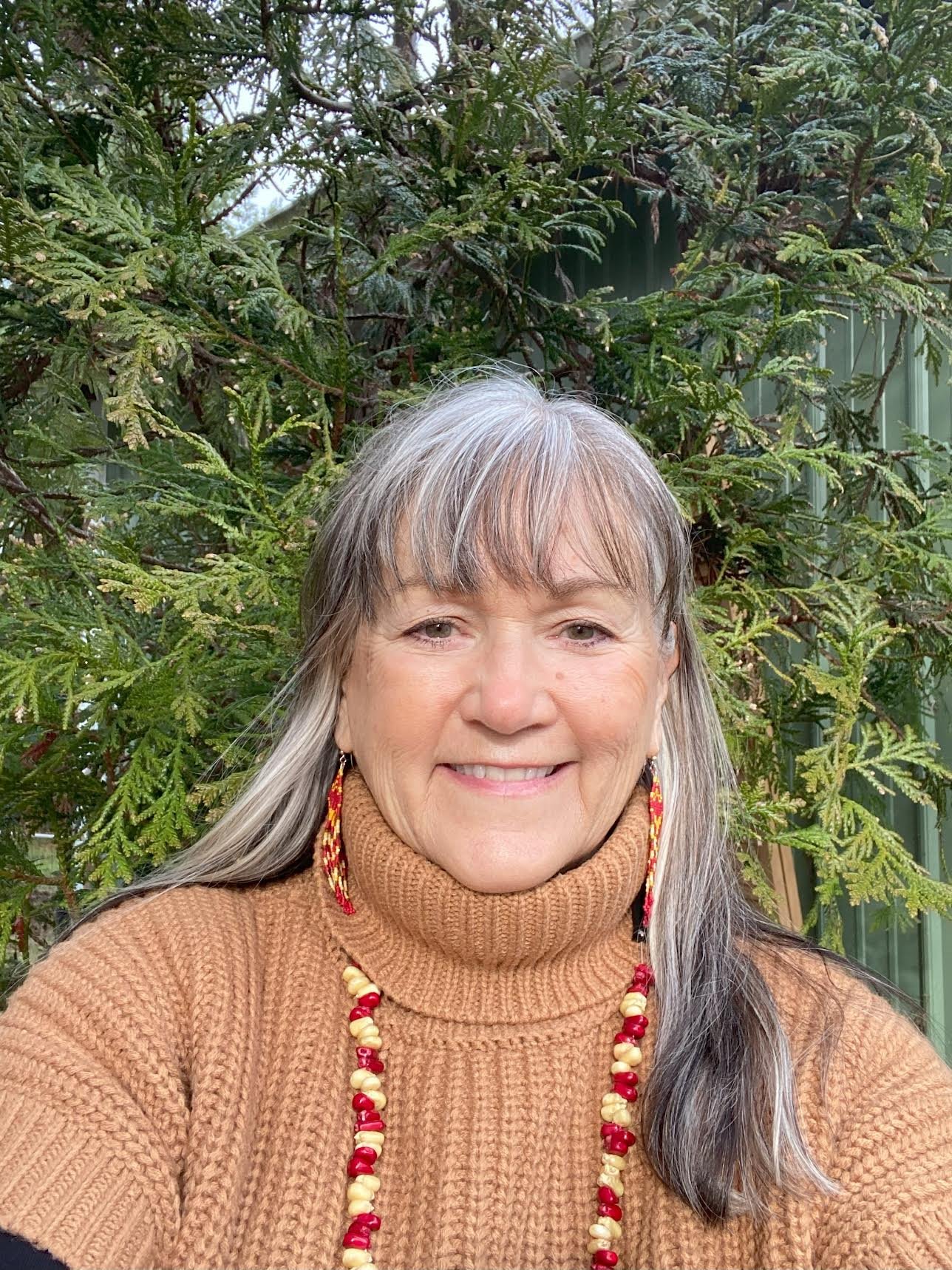
Susan Balbas
Co-Chair-
Susan Balbas is a multi-racial community organizer, nonprofit leader, and philanthropic strategist who has played a pivotal role in advancing Indigenous-led philanthropy and community development across the Pacific Northwest. She is the founder of the Na’ah Illahee Fund, an Indigenous women-led organization established to support Native leadership, climate justice, and regenerative community economies.
Over her career, Balbas has helped launch and strengthen several influential Indigenous institutions, including the Potlatch Fund and the Native American Youth and Family Center (NAYA) in Portland, where she previously served as Executive Director. She has also held leadership and advisory roles across the nonprofit and philanthropic sectors and has served on boards including the Sightline Institute and Washington Progress Alliance, contributing to regional conversations on sustainability, equity, and social justice. She was honored with the Native Action Network Enduring Spirit Award in 2022 for her contributions to Indigenous leadership and community empowerment.
Today, Balbas supports development and philanthropic partnerships for Salmon Returns, a bioregional initiative working across Pacific salmon watersheds to mobilize capital for Indigenous- and community-led ecological restoration, self-determination, and regenerative economies. Her work continues to center Indigenous leadership, cultural knowledge, and community-driven solutions in building regenerative futures across the Pacific Northwest and beyond.
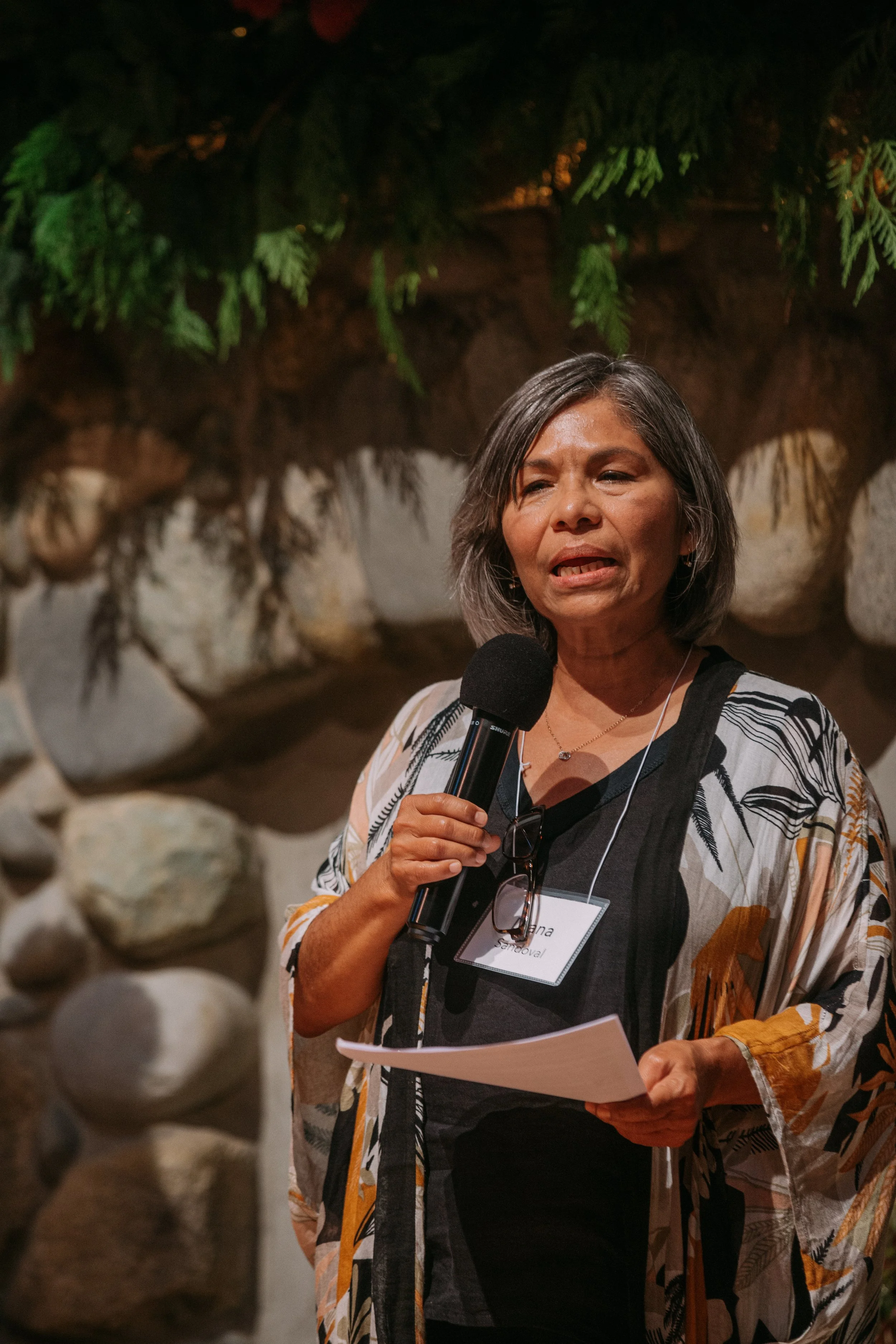
Diana Sandoval
Co-Chair-
Coming Soon
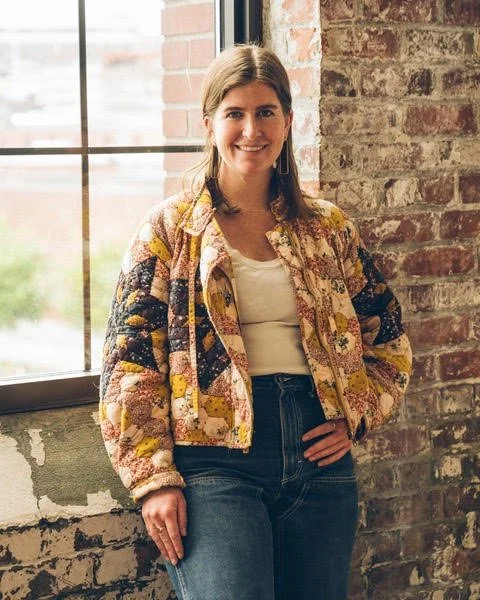
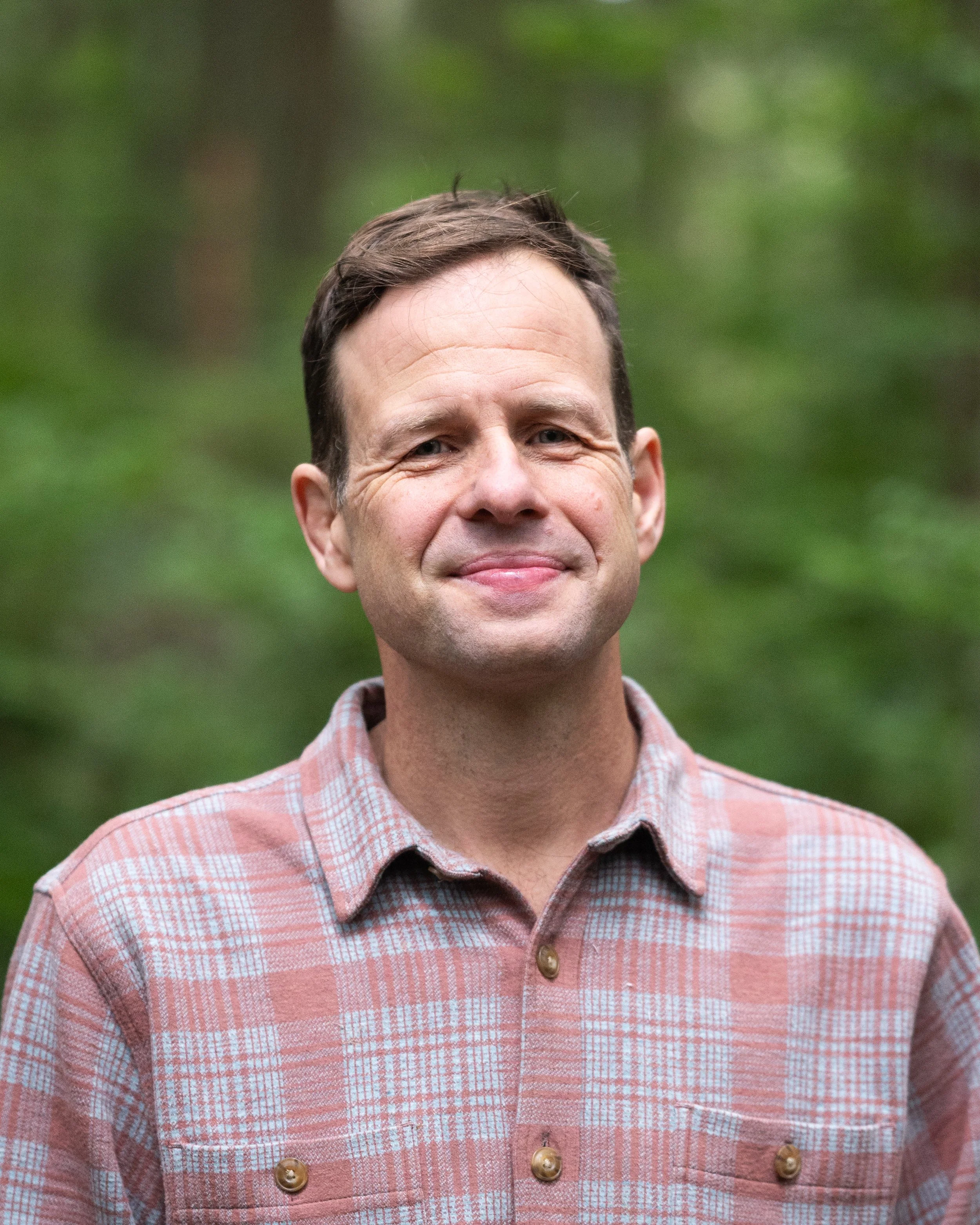
Our Board
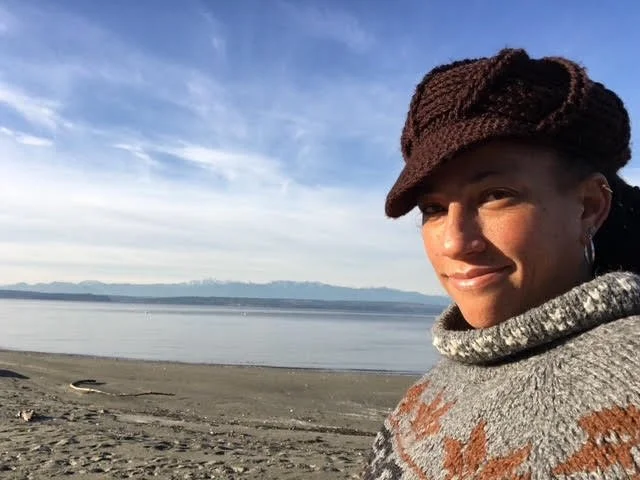
TreasurerKristin Albrecht Freundlich
-
Kristen Albrecht is an advocate for circular systems, local manufacturing, and mindful living. She is Co-Founder and COO of Ravel, a textile recycling company in Seattle, transforming blended textile waste into new raw materials. Previously, she co-founded Nube, a U.S.-made sustainable apparel brand collaborating with artists to create products from recycled materials, and earned an MBA in Sustainable Solutions from Presidio Graduate School. Kristen brings experience in supply chains, organizational systems, and mission-driven leadership to her board service. She lives on a small biodynamic family farm just down the road from the Whidbey Institute, where they care for pigs, chickens, and cows. She is deeply passionate about the circular economy, strengthening resilient local economies and communities, and living a life aligned with her values.
SecretaryMatías Valenzuela
-
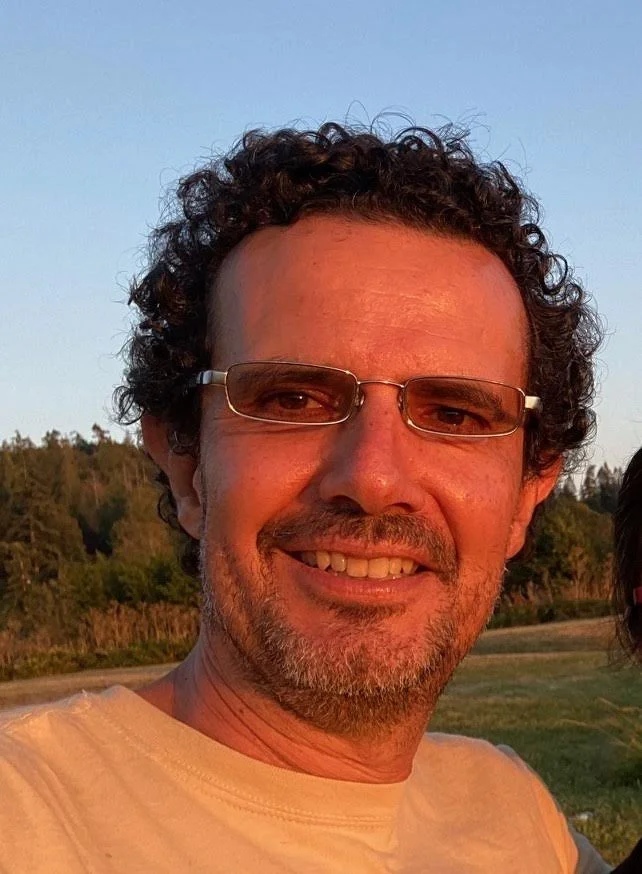
Matías Valenzuela, PhD, is the Director of the Office of Equity and Community Partnerships for Public Health – Seattle & King County. Matias has worked at King County since 2000, including as a lead for Equity and Social Justice at its inception in 2008. Previously starting in 2015, he was the first director of the Office of Equity and Social Justice in King County, spearheading a countywide effort to address the root causes of inequities, especially racism, working with all county agencies and the community. In the COVID-19 response, he directed Community Mitigation and Recovery. He was also co-lead in the county’s team for the declaration of Racism as a Public Health Crisis in June 2020. Previously in his career, he was a print and broadcast journalist in the United States and abroad. He has been a Fulbright professor in Nicaragua, and he is an Affiliate Assistant Professor at the University of Washington's School of Public Health and Community Medicine. He currently serves on numerous local and national boards and advisory groups.
MemberRon Milam
-
Ron Milam first came to the Whidbey Institute in 2021 as a participant in Fritz Hull’s Hilltop Retreats and has returned multiple times since, drawn by the Institute’s grounding in place, reflection, and community. These experiences continue to inform his personal practice and his professional work supporting leaders and organizations navigating complexity and change.
Ron is an organization development consultant with more than two decades of experience working with nonprofits, philanthropic networks, and collaborative initiatives, including The Funders Network. He is a co-founder of Pacific Pattern, a cooperative network dedicated to cultivating equitable, resilient, and regenerative bioregional communities along the Pacific Coast. Ron lives in Seattle with his family and serves on the Board of the Lakewood Seward Park Community Association, which provides space in its historic clubhouse for events, educational courses, community meetings and gatherings.
MemberAllyssa Jomei
-
Allyssa Jomei is an interfaith spiritual director, community organizer, and mental health advocate who cares deeply about creating spaces where people can slow down, feel supported, and connect more honestly with themselves and one another. Her work sits at the intersection of contemplative spirituality, peer support, and community care. Allyssa serves as the Director of Spiritual Care for Ligare, where she works with individuals and groups exploring spiritual reflection, meaning-making, and integration, including within emerging conversations around psychedelic-informed spiritual care. Her work is shaped by many years in the mental health field and by her own contemplative practice rooted in Zen Buddhism.
Allyssa also helps lead work with Peers Empower Peers, a peer-run nonprofit focused on mental health recovery, rural outreach, and community wellness across Washington State. She enjoys helping bring people together through gatherings, retreats, and shared learning spaces. As a mother, Allyssa is continually reminded how important supportive communities are for both kids and adults. She is grateful to serve on the board of the Whidbey Institute and enjoys supporting its ongoing efforts to build strong local relationships and meaningful programs for the wider community.
MemberNjeri Macharia
-
As a second-generation immigrant, Njeri has lived and worked in multiple countries where she accumulated enriching experiences that have deeply shaped her commitment to community, equity, and global connection. She has taught youth, supported families in transition, and collaborated with multidisciplinary teams on humanitarian projects around the world. Her work includes serving diverse populations in Europe, East Africa, Latin America, Asia and the United States, as well as contributing to the Department of Sustainable Development at the United Nations in New York.
Njeri brings a multidisciplinary background which includes Anthropology, Sociology, Intercultural Education, Arts, Nursing, Public Health, and Global Health. She is deeply passionate about innovative education programs that integrate diversity, equity, and inclusion with ecological stewardship, health, and wellness. A lover of the arts, cinematography, world music, medical anthropology, and languages, she values creativity, environmental awareness and cultural expression as powerful tools for connection, storytelling and healing. She currently works with diverse populations as a public health nurse advocating for greater healthcare access and supporting health literacy initiatives. Njeri is grateful to be settling into the Whidbey Island community, where she enjoys spending time in the community, exploring outdoor places and spaces, engaging in "next level" activities with her family.
MemberTony Back
-
Anthony Back, MD, is Professor of Medicine at the University of Washington in Seattle, and researcher at the Fred Hutch Cancer Center. Dr. Back was educated at Stanford University and Harvard Medical School. He practiced medical oncology for 30 years and practices now as a board certified physician in Palliative Medicine. His research into patient-oncologist communication, funded by the National Cancer Institute and numerous other foundations, led to founding of VitalTalk, a 501c3 with the mission of disseminating communication skill training to doctors and nurses who care for patients with a serious illness and their families. VitalTalk is one of the most successful non-profit startups in medical education and has trained >800 faculty who teach workshops that have reached >300,000 clinicians. This work was recognized by the American Cancer Society with the first Pathfinder in Palliative Care Award, and by the American Society of Clinical Oncology with the first Walther Cancer Foundation Palliative and Supportive Care Award.
His current research focuses on psychedelic therapies, including a randomized study of psilocybin therapy for doctors and nurses published in JAMA Network Open in December 2024, and a study of Group Retreat Psilocybin Therapy for People Living with Metastatic Cancer that was conducted at the Whidbey Institute. He is a long time Zen practitioner and has been ordained in the lineage of Roshi Joan Halifax.