
We acknowledge the land this work happens on, and the people who have cared for it since time immemorial.
Read our Land Recognition to learn more.
Who We Are
Whidbey Institute is a home for transformational learning and a 501(c)(3) educational nonprofit. Our mission is to nurture the conditions for transformational learning, and our purpose is to be a Place for those called by the responsibility and transformative potential of these times.
We partner with a network of program leaders working in the areas of generative leadership, ecosystem vitality, community resilience, and more to offer one-day and multi-day workshops, conferences, and retreats. Our 106-acre conservation forest campus on South Whidbey Island is open to the public and features integrated gardens and a four-mile trail network.
“When a complex system is far from equilibrium, small islands of coherence in a sea of chaos have the capacity to shift the entire system to a higher order.”
Ilya Prigogine, Nobel Prize-winning chemist
OUR MISSION
Whidbey Institute stewards an ecosystem for conscious and equitable living, dedicated to addressing the urgent and converging crises of our time—climate change, social injustice, economic instability, and global disconnection. Rooted in compassion and sustainable practices, we create spaces for healing, personal growth, and collective action. For over 50 years, our work has fostered deep community connection and ecological stewardship, empowering individuals to mindfully nurture themselves, society, and the planet. We stand committed to building an inclusive, equitable future for both present and future generations, offering a sanctuary for rewilding and reconnection in a world in need.
Whidbey Institute celebrates 50 years
August 2024 in the South Whidbey Record
Our Story
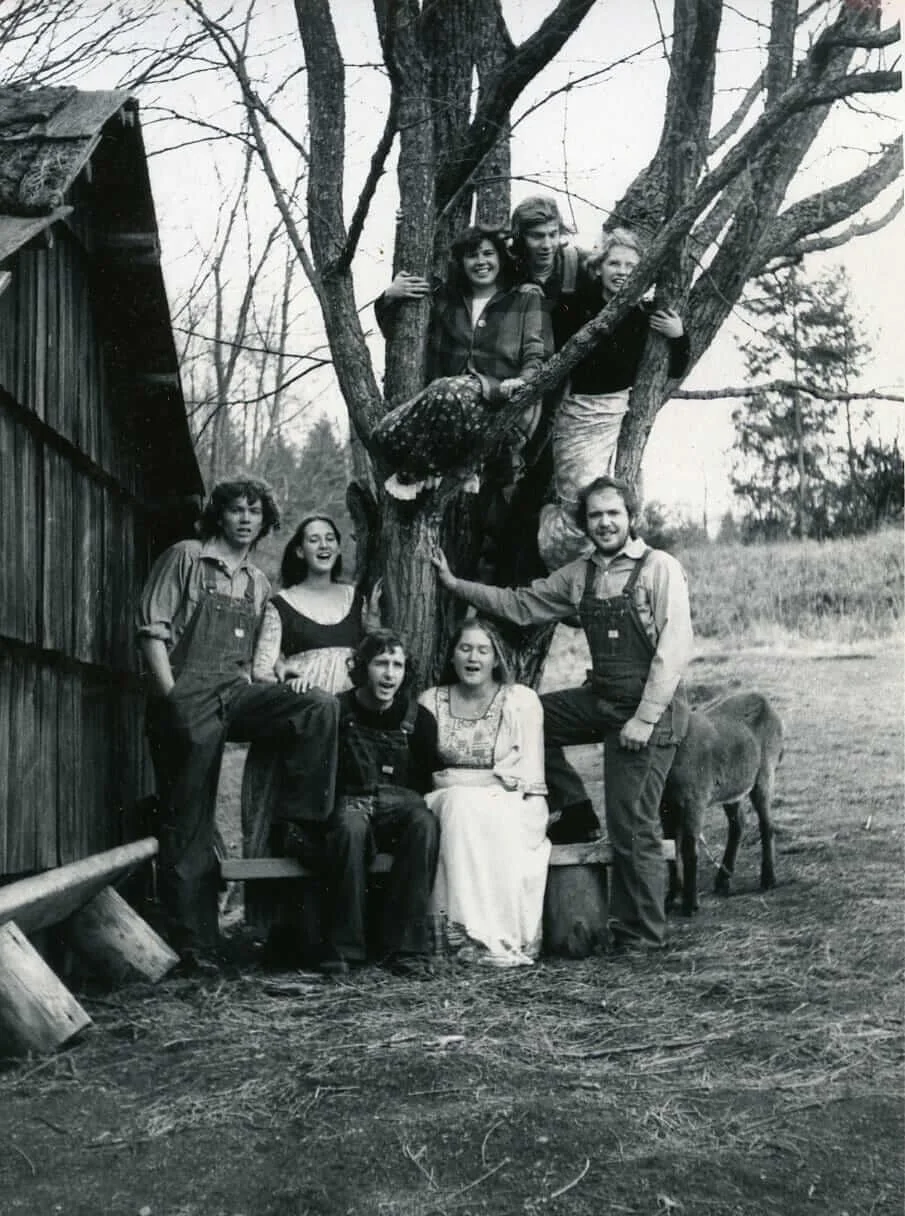
The story of Whidbey Institute began in 1966 when founders Fritz and Vivienne Hull purchased a late nineteenth-century Finnish farm on south Whidbey Island. In 1972, the homestead and surrounding land became what was called then the Chinook Learning Community.
Over the next 24 years, the Learning Community operated as a retreat center where gatherings and workshops convened individuals who hungered for community, a place for reflection, and a connection to nature in a place that felt like home. Our original 501(c)(3) non-profit status as a religious organization supported our exploration of matters relating to Earth, Spirit, and the Human Future.
In 1993, the community founders, together with new collaborators, gathered on the Scottish island of Iona to envision a new organization. Its mission was to cultivate and nurture personal development and community vitality.
Two years later, the Chinook Learning Community merged with this new organization, which was named the Whidbey Institute. While the emphasis was new, the guiding principles and core values adhered to the organization’s founding vision of thriving individuals, communities, and ecosystems. In 1997, the Whidbey Institute obtained new 501(c)(3) status as a non-profit educational organization. Today, the Institute continues to serve the bioregion through its commitment to programs that support and enhance adaptive leadership skills; just and resilient communities; and thriving ecosystems. While the Institute brings together people to engage with the most serious issues of our time, we do so with a spirit of optimism and a shared joy in our collective work to build a more vibrant, just, and peaceful world.


If you’re looking for a quiet space for solo contemplation, check out Hilltop Retreats—an opportunity from Whidbey Institute founders Fritz and Vivienne Hull. You can email Fritz here: fritz@whidbeyinstitute.org .
Fritz and Vivienne are now leading their new initiative, Center for Knowing Home. Center for Knowing Home (CKH) is a fiscal program of Whidbey Institute and Whidbey Institute is the fiscal sponsor of CKH. Funds to, and funds from, CKH are not accessible to the Whidbey Institute.
For more information about CKH, please see knowinghome.org or email CKH Executive Director Josh Berkowitz josh@knowinghome.org
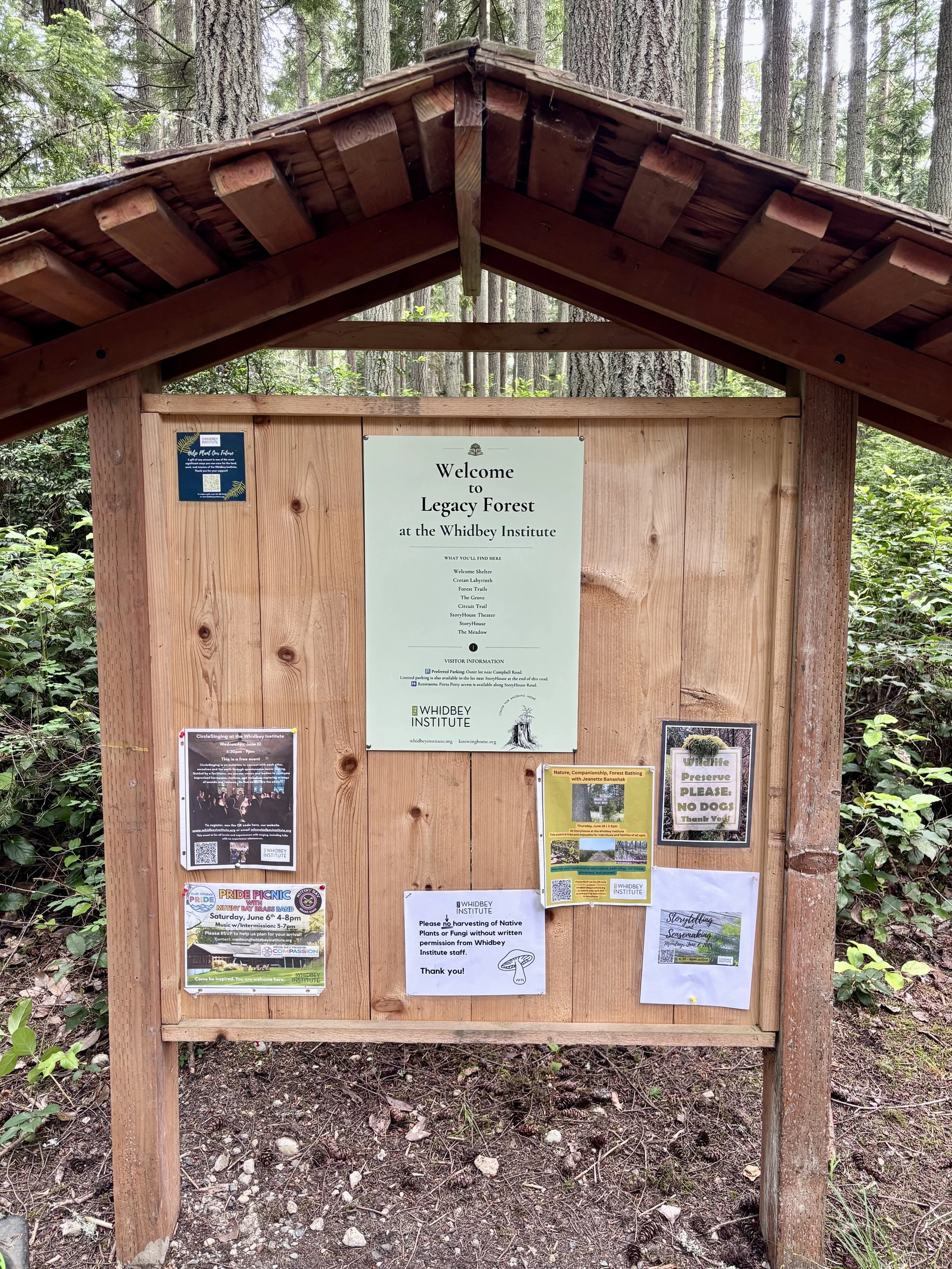
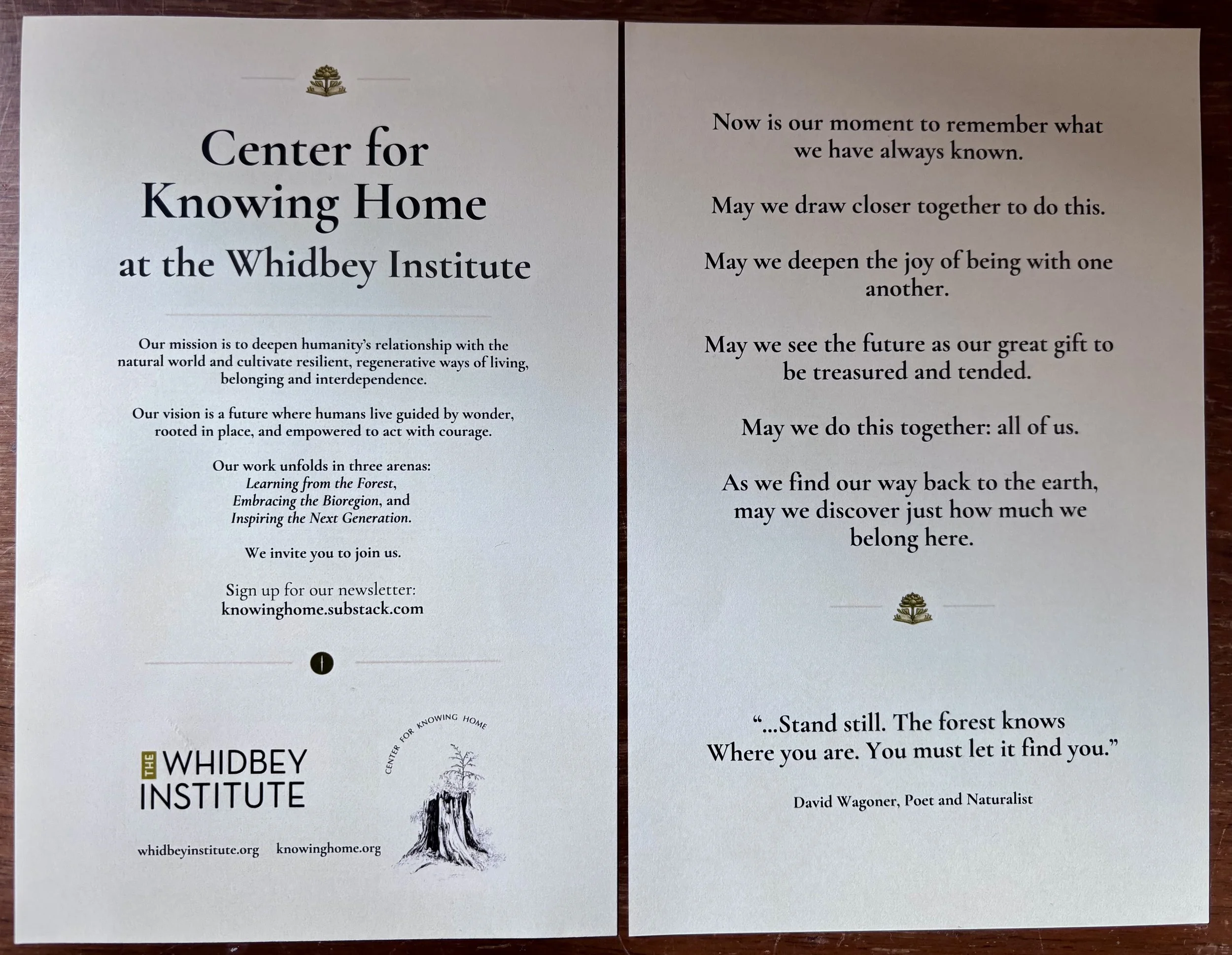
Center for Knowing Home
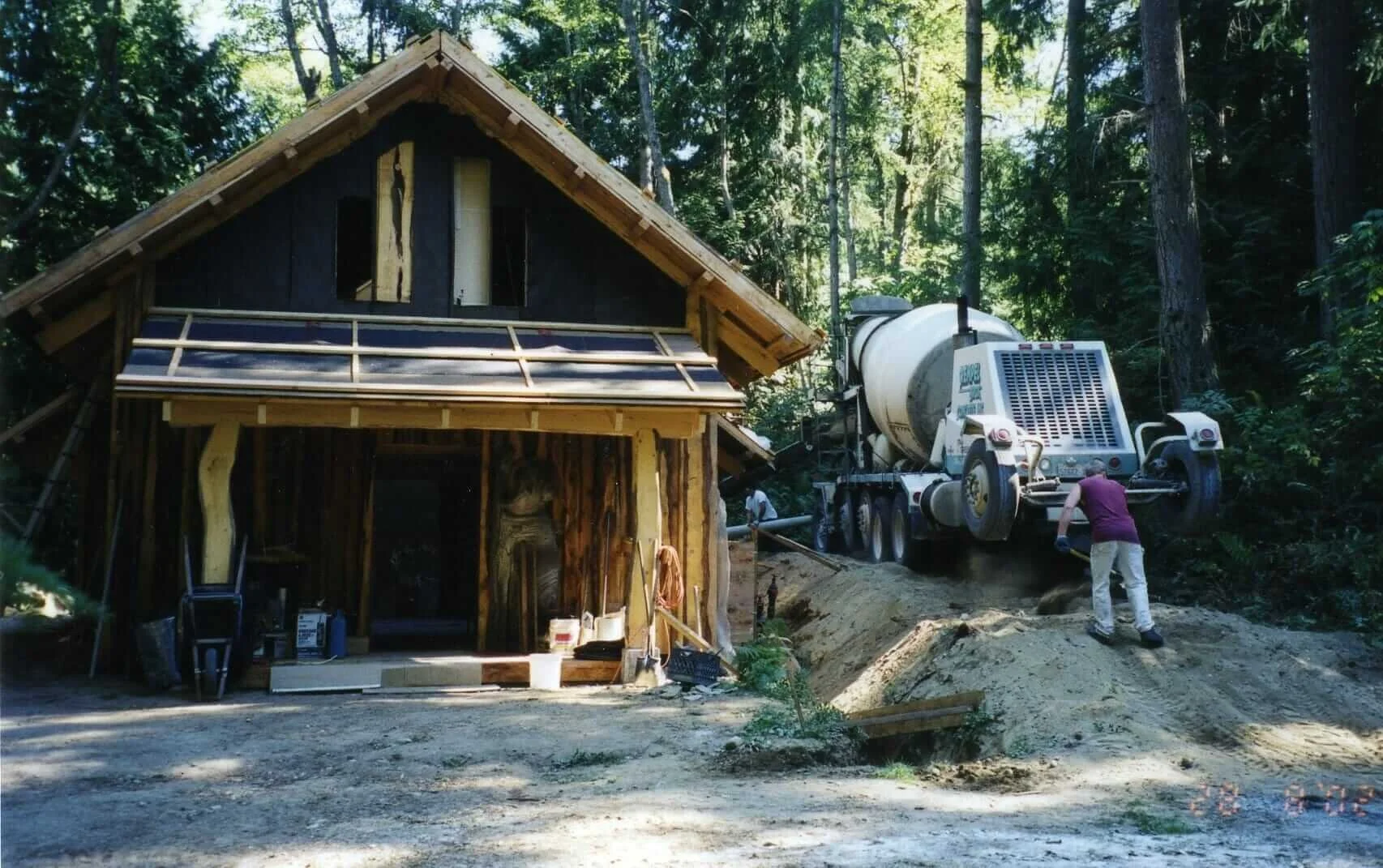
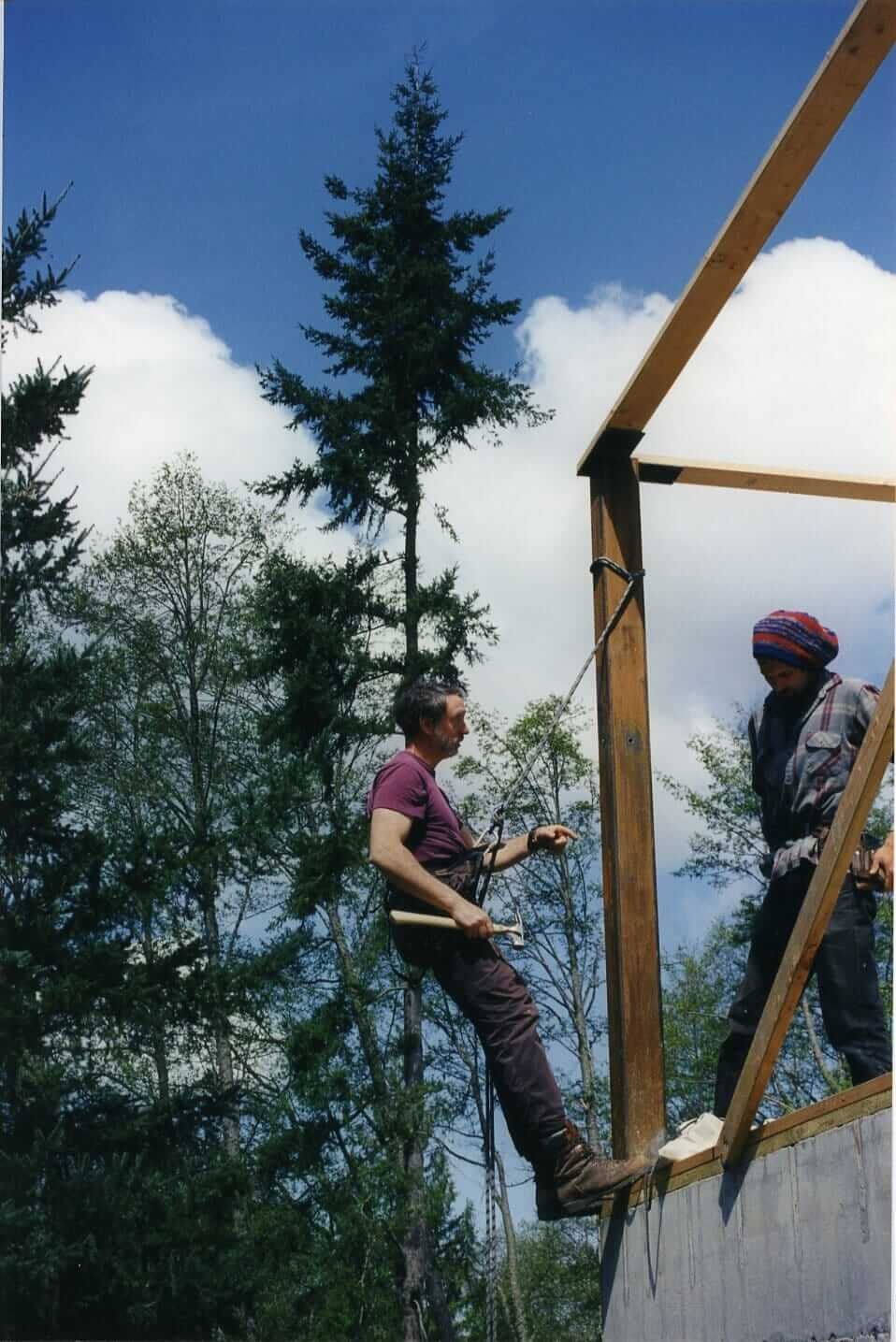
Photos from the construction of Thomas Berry Hall and the Sanctuary
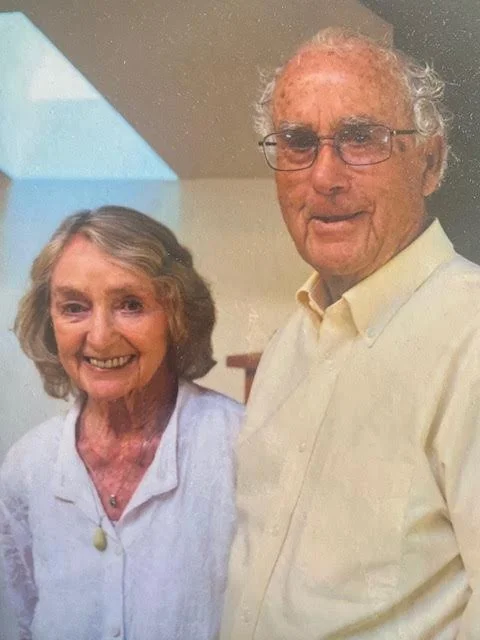
Vivienne and Fritz Hull
"Ultimately, we have just one moral duty: to reclaim large areas of peace in ourselves, more and more peace, and to reflect it toward others."
- Etty Hillesum